



If you’re a reader of The Downballot, you’ll now need to subscribe to read the Morning Digest and the comments section, though we are not putting up a paywall! You can sign up as a free subscriber, though of course, we’d be delighted if you’d support our work with a paid subscription. Either way, just click the button below:
Leading Off
PA State Senate
Having given up any hope of unseating Gov. Josh Shapiro and with little chance of reclaiming the state House, Pennsylvania Republicans have launched an all-out war to save their majority in the state Senate—and prevent Democrats from taking full control of state government for the first time since 1994.
The Philadelphia Inquirer, citing data from AdImpact, reported Wednesday that Republicans have spent more than $15 million on TV and streaming ads, both to protect four vulnerable incumbents in the eastern part of the state and to target Democratic Sen. James Malone.
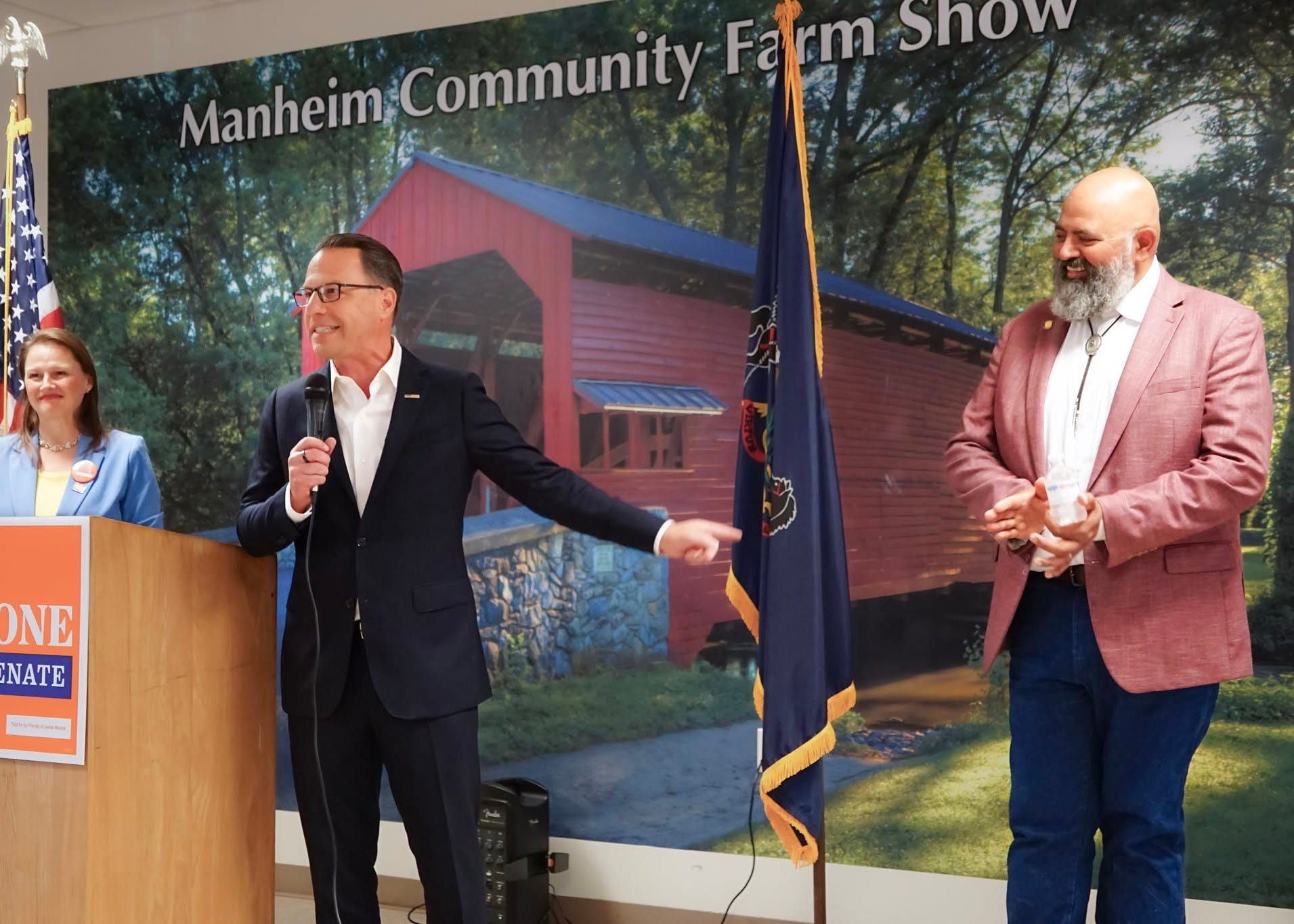
Democrats, likewise, have deployed more than $12 million to unseat that quartet of Republicans and help Malone, who is defending the conservative Lancaster County seat he flipped last year in a shocking special election victory.
Only half of the 50-member chamber is up each election cycle, so both parties will need to wait until 2028 to target other competitive districts.
Democrats, who aren’t at serious risk of losing any of their other seats this year, need to win three of those five races to turn what’s now a 27-23 Republican majority into a 25-25 deadlock. Lt. Gov. Austin Davis, Shapiro’s running mate in next month’s election, would then be able to use his tie-breaking vote to support his party on procedural matters, such as choosing the chamber’s leader and deciding when bills receive a vote.
That would give Democrats more power in the Senate than they’ve had in over three decades, but it still wouldn’t be enough to pass their agenda on a party-line vote. The state constitution prohibits the lieutenant governor from breaking ties on “the final passage of a bill or joint resolution,” so Democrats have good reason to try for an outright majority.
However, there’s one other potential problem for Republicans in November.
Republican Sen. Camera Bartolotta is locked in an unpredictable race against independent Jodi Borello in the southwestern corner of the state, a contest where the Democratic nominee removed his name from the ballot this summer. Borello, an environmental consultant and former Republican who says she voted for Donald Trump in all three of his campaigns, told Spotlight Pennsylvania she wouldn’t caucus with either party.
A recent poll from the website State Navigate showed the two tied at 43 apiece in the 46th Senate District, which Donald Trump carried by an imposing 64-35 margin two years ago. The survey showed Borello, who has made her opposition to data centers a centerpiece of her campaign, largely appealing to left-leaning voters and moderates while still winning enough conservatives to pose a serious threat to Bartolotta.
But while a victory for Borello would complicate the math in the Senate, both parties are largely focusing their attention and resources on the five battlegrounds to the east.